

Drivers in Moreno Valley, Riverside, Perris, Corona and communities throughout the Inland Empire can use our GMC model research guide to compare GMC SUVs, trucks and electric vehicles. Explore new GMC SUVs, trucks, and electric vehicles in one place. Use this GMC model research hub to compare key features and narrow down your next vehicle, then browse new GMC inventory at Moss Bros. GMC in Moreno Valley, CA.
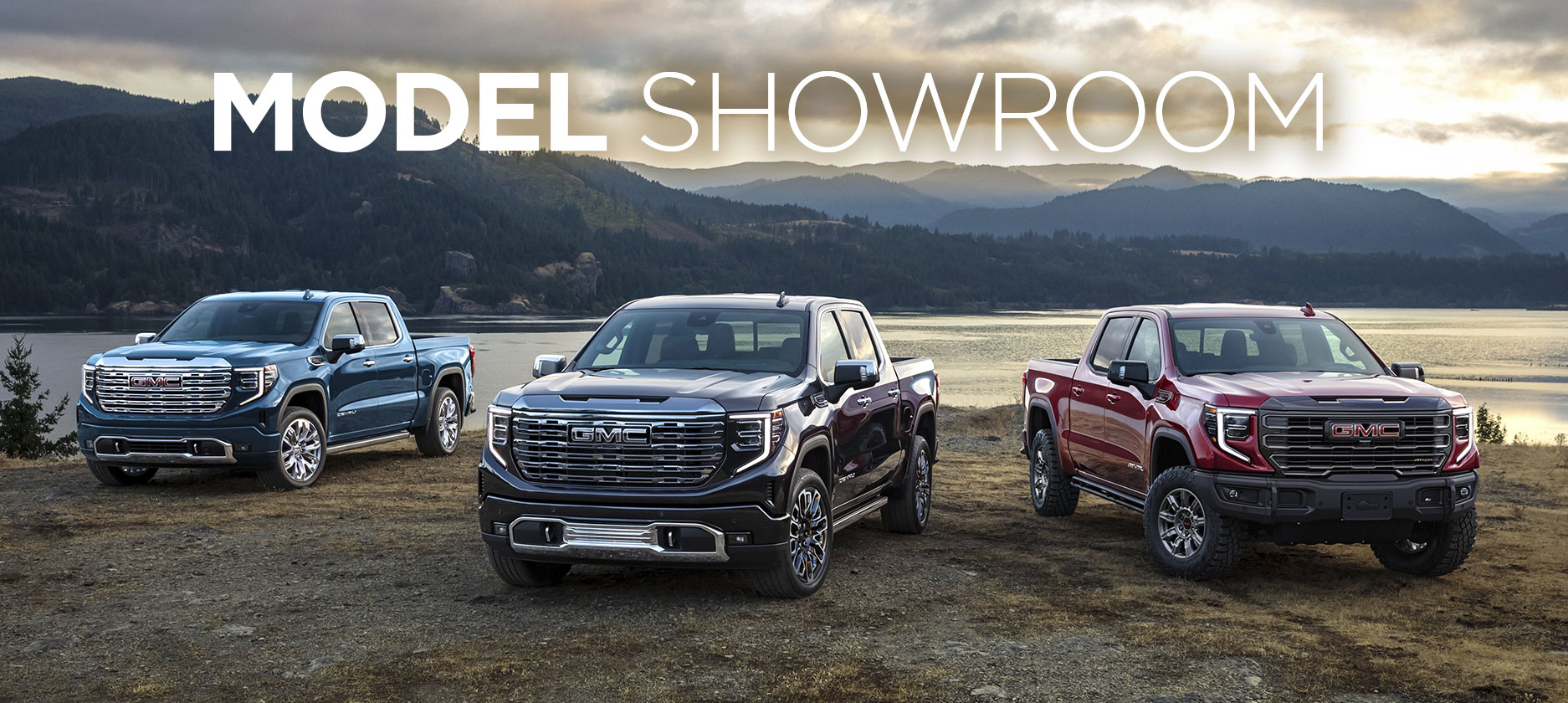
Crossovers & SUVs

GMC Acadia
The GMC Acadia's handsome exterior design and spacious three-row interior make it a great family SUV. Choose from Elevation, AT4, Denali and Denali Ultimate trims, from everyday comfort to off-road-inspired style to premium luxury. Super Cruise hands-free driving is available on select trims and standard on Denali Ultimate.

GMC Terrain
The GMC Terrain is the perfect blend between stylish and powerful. The Terrain offers a turbocharged engine and a spacious interior for every car enthusiast. The 2026 Terrain comes in Elevation, AT4 and Denali trims, with available all-wheel drive (standard on AT4 and Denali) and a 15-inch touchscreen with Google built-in.

GMC Yukon and Yukon XL
When it comes to large, three-row family-hauling, toy-towing muscle, the GMC Yukon is hard to beat. Choose the standard Yukon or the extended-length Yukon XL, both offering premium comfort, available Super Cruise and the capability to tow the boat, trailer or camper.
Which GMC SUV is Right For You?
- GMC Terrain: Seats up to 5, has a max cargo volume of 63.5 cubic feet with the rear seats folded, and can tow up to 1,500 lbs when equipped with AWD (FWD models max out at 800 lbs).
- GMC Acadia: Seats up to 8 (Elevation trim), has a max cargo volume of 97.5 cubic feet, and can tow up to 5,000 lbs with the Trailering Package, included standard across all trims.
- GMC Yukon: Seats up to 8, tows up to 8,400 lbs when equipped with the 5.3L V8 and Max Trailering Package, and offers Super Cruise hands-free driver assistance technology (available even on the base Elevation trim for 2026).
- GMC Yukon XL: Rides on a longer wheelbase than the standard Yukon, providing additional third-row legroom and more cargo space behind the third row.
Trucks
GMC offers pickup trucks ranging from the midsize Canyon to the full-size Sierra 1500 and heavy-duty Sierra HD. Each model is designed for different towing, hauling and everyday driving needs. Whether you're hauling your camper up to Big Bear, taking the quads out to Glamis, or just taking the beach cruisers down to the beach, Moss Bros. GMC in Moreno Valley has the right GMC truck for you. Comparing GMC trucks to other brands? Visit GMC Compare Competitors for additional side-by-side research.

GMC Sierra 1500
Forge your own path and seek out tougher roads. The GMC Sierra 1500 aims to stand out. Available with a range of powerful engine options, including a bold turbocharged inline-six and a proven V8, the Sierra 1500 is built to handle serious towing and hauling without sacrificing comfort. Inside, GMC's signature MultiPro Tailgate and available massaging seats bring a level of refinement rarely found in a full-size pickup.

GMC Sierra 2500HD
Built for the worksite and the weekend. Go the distance with the GMC Sierra 2500HD. Engineered for heavy-duty towing and hauling, the Sierra 2500HD pairs a rugged, capable chassis with the kind of cabin comfort that makes long workdays easier. It's the truck for drivers who need serious capability on demand, without stepping down on everyday livability.

GMC Sierra 3500HD Chassis Cab
The GMC Sierra 3500 HD Chassis Cab has the capability and features to be any heavy-duty truck the job calls for. Designed as a blank canvas for upfitters, the 3500HD Chassis Cab is ready to become a flatbed, service body, or custom work truck - whatever your business demands. Heavy-duty towing and payload ratings mean it's built to handle the job, not just look the part.
GMC Sierra 3500HD
Heavy duty and luxurious don't need to be separate. The GMC 3500HD offers both. Available with a Duramax turbo-diesel engine and premium Denali trims, it's built to haul and tow serious loads without giving up comfort.

GMC Canyon
The GMC Canyon is built for those who crave adventure and capability. With its refined interior, advanced technology, and rugged performance, this midsize truck is ready for any challenge.
Which GMC Truck is Right For You?
- Canyon: A midsize pickup for everyday driving, recreation and moderate towing.
- Sierra 1500: A full-size pickup for daily driving, towing, hauling and work use.
- Sierra 2500 HD: A heavy-duty truck for drivers who need greater towing and payload capability.
- Sierra 3500 HD: A heavy-duty pickup designed for especially demanding towing and hauling requirements.
Electric Vehicles
Interested in GMC electric vehicles? Start here to explore GMC EV options and key benefits like all-electric power, innovative tech, and everyday versatility. You can also review the latest GMC Sierra EV and GMC HUMMER EV details.
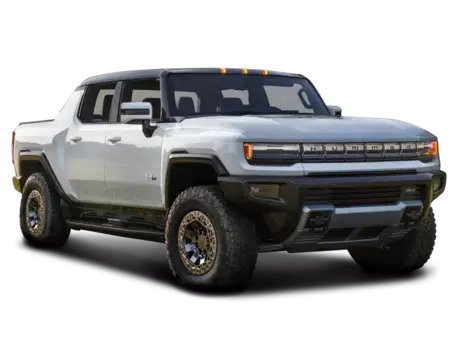
GMC Hummer EV SUV
As the world's first zero emissions, zero limits all-electric supertruck, the revolutionary HUMMER EV is engineered to conquer nearly any terrain. Now meet the next all-electric supertruck-the revolutionary GMC HUMMER EV SUV. It combines the features of the pickup with the benefits of an SUV to earn its own supertruck status.
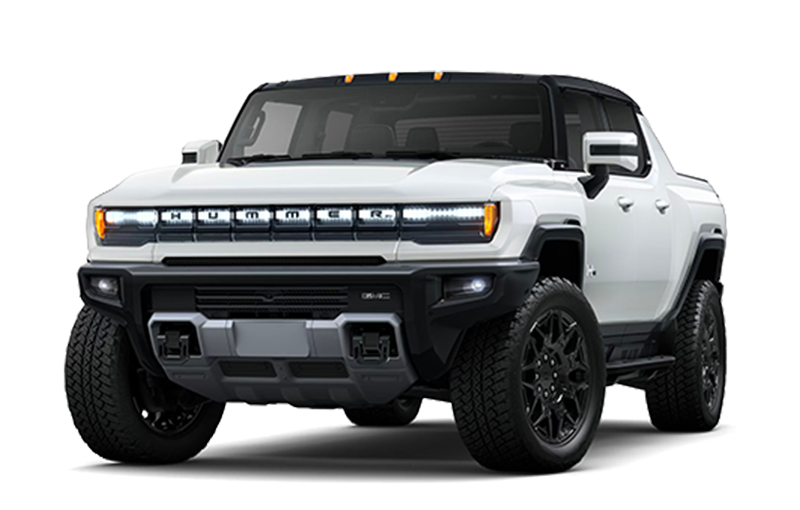
GMC Hummer EV Pickup
Proving that a powerful pickup can be a major part of the EV movement, the GMC Hummer EV Pickup reveals how power and efficiency can join forces in one bold and practical vehicle. This unique vehicle can reach an EPA-estimated equivalent of 47 miles per gallon on the highway and 59 miles per gallon in the city. It has an estimated battery range of 318 miles.
Frequently Asked Questions
What's the difference between the GMC Terrain, Acadia, and Yukon?
The Terrain is a compact SUV that seats up to 5. The Acadia is a mid-size SUV that seats up to 8 and has more cargo volume. The Yukon and Yukon XL are the largest in GMC's lineup, with the most cargo volume and the roomiest interior.
How many people can each GMC SUV seat?
The GMC Terrain can seat up to 5, while the Acadia and Yukon can seat up to 8.
Which GMC SUV has the most cargo space?
The Yukon and Yukon XL are going to have the most cargo space out of GMC's SUV lineup.
How much can a GMC Terrain/Acadia/Yukon tow?
Towing capacity varies by model and configuration. The Terrain can tow up to 1,500 lbs. with AWD (800 lbs. with FWD); the Acadia can tow up to 5,000 lbs. when equipped with the Trailering Package, which comes standard across all trims; and the Yukon can tow up to 8,400 lbs. when equipped with the 5.3L V8 and Max Trailering Package. Actual capacity depends on engine, trim, and equipment, so confirm exact ratings for your configuration before towing.
What's the difference between the Yukon and Yukon XL?
The Yukon XL rides on a longer chassis. This provides extra cargo space and more legroom in the third row of seats.
Which GMC truck is right for towing a boat/camper/trailer?
It depends on the weight you're towing. For light boats, small campers, or utility trailers, the midsize Canyon is often enough. For most travel trailers, larger boats, and standard camper towing, the Sierra 1500, available with a turbocharged inline-six or V8, covers most everyday towing needs. If you're pulling a heavier fifth-wheel, large horse trailer, or commercial equipment, step up to the Sierra 2500HD or 3500HD, which are built for higher towing and payload ratings. The right choice comes down to your trailer's loaded weight, not just its size, so check your specific trailer's GVWR against each truck's max towing rating before deciding.
What's the difference between Elevation, AT4, and Denali trims?
The trims can vary by model. These three trims represent different priorities rather than a simple good-better-best ladder. Elevation is the value-forward trim, offering a sportier, blacked-out look with the core tech and safety features most buyers want. AT4 is built for off-road capability, adding features like all-terrain tires, upgraded suspension, and skid plates for drivers who need real trail performance. Denali is GMC's luxury trim, focused on premium materials, additional comfort features, and top-tier technology rather than off-road ability. The right pick depends on whether you value style and value (Elevation), capability (AT4), or luxury (Denali).
Is Super Cruise available on every trim, or just certain ones?
Super Cruise availability varies by model and trim. On the Acadia and Yukon, it's available on select trims and standard on Denali Ultimate. It's not offered on the Terrain. Check the specific model and trim you're considering to confirm availability.
What's the difference between the Hummer EV Pickup and Hummer EV SUV?
Both share the same all-electric supertruck platform and off-road capability, but they're built for different uses. The Hummer EV Pickup has an open cargo bed and the longer wheelbase typical of a truck, making it better suited for hauling gear. The Hummer EV SUV has a fully enclosed cabin with rear seating and cargo space behind it, making it more practical for passengers and everyday use. If you need bed space for gear, the Pickup fits better; if you want enclosed passenger and cargo room, the SUV is the better fit.
What's the estimated range and charging time for GMC's electric vehicles?
Range varies by model and trim. The Hummer EV Pickup offers an estimated range of roughly 282 to 363 miles, the Hummer EV SUV around 282 to 319 miles, and the Sierra EV between 283 and 478 miles depending on battery configuration. All three support DC fast charging, which can add roughly 100 miles of range in about 10 minutes under ideal conditions; a full charge on a home Level 2 charger typically takes several hours overnight.